Home Lift Installation and the Concerns These Elevators Can Address
Modern homes are changing, and so are the needs of homeowners. As families build multi-storey houses, villas, and duplex homes, moving comfortably between floors becomes an important consideration. Climbing stairs several times a day may become difficult for elderly family members, people with mobility challenges, or anyone recovering from an injury.
This is where a home lift can make everyday living more convenient. A professionally planned home lift installation provides an easier way to access different floors while adding functionality and value to residential spaces.
Himalaya Elevator provides elevator solutions for residential and commercial requirements in India, helping property owners explore suitable lift options based on their building layout, available space, and usage needs.
What Is a Home Lift?
A home lift, also known as a residential elevator, is a lifting system designed specifically for private homes, villas, and multi-storey residential properties.
Unlike lifts designed for busy commercial buildings, home elevators can be planned around residential requirements, including available space, floor height, family size, and interior design.
Depending on the building structure and requirements, homeowners may consider different types of residential elevators, such as:
Hydraulic Home Lifts
MRL (Machine Room Less) Elevators
Glass Home Lifts
Compact Residential Elevators
Passenger Lifts for Residential Buildings
The right choice depends on the property's design, technical requirements, budget, and expected usage.
Common Problems a Home Lift Installation Can Address
1. Difficulty Climbing Stairs
Stairs can become challenging for elderly parents, senior citizens, and people with limited mobility. A home elevator offers a convenient alternative to repeated stair climbing and makes different floors more accessible.
2. Multi-Storey Home Accessibility
In duplex houses, villas, and independent homes with multiple floors, moving between levels can take considerable effort. Installing a residential lift helps simplify daily movement and makes the home more practical for the entire family.
3. Mobility Challenges for Elderly Family Members
As people grow older, balance, joint comfort, and physical strength may change. A properly selected home lift can help elderly family members access upper floors more comfortably and maintain greater independence at home.
4. Limited Space for Traditional Elevator Systems
Many homeowners believe that installing a lift requires a large dedicated area. However, certain compact home lift designs can be considered for properties with limited space.
The actual space requirement depends on the elevator model, cabin dimensions, shaft design, pit depth, headroom, and structural conditions. A professional site assessment is important before selecting a system.
5. Future-Ready Residential Planning
A home is a long-term investment. Planning for accessibility during construction or renovation can help homeowners prepare for changing family needs.
A residential elevator may improve convenience for families with children, elderly parents, and individuals who prefer easier movement between floors.
Types of Home Lifts Available for Residential Properties
Choosing the right elevator is an important part of home lift installation. Different technologies offer different design and operational characteristics.
Hydraulic Home Lift
Hydraulic elevators use a hydraulic system to move the elevator cabin between floors. They are considered for certain residential and other building applications depending on the load, travel height, available space, and technical requirements.
MRL Home Elevator
Machine Room Less elevators are designed without a separate conventional machine room. Their layout can help optimise building space, depending on the installation design.
Glass Home Lift
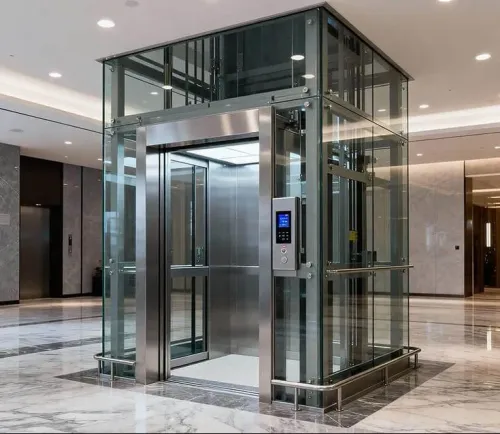
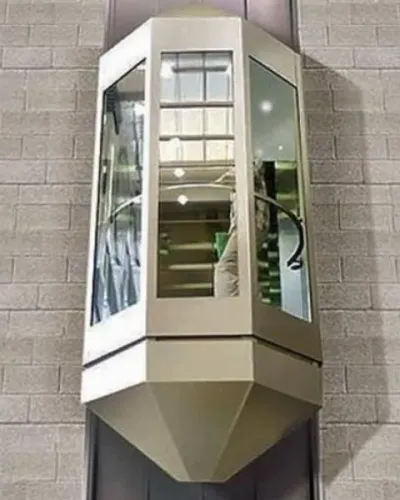
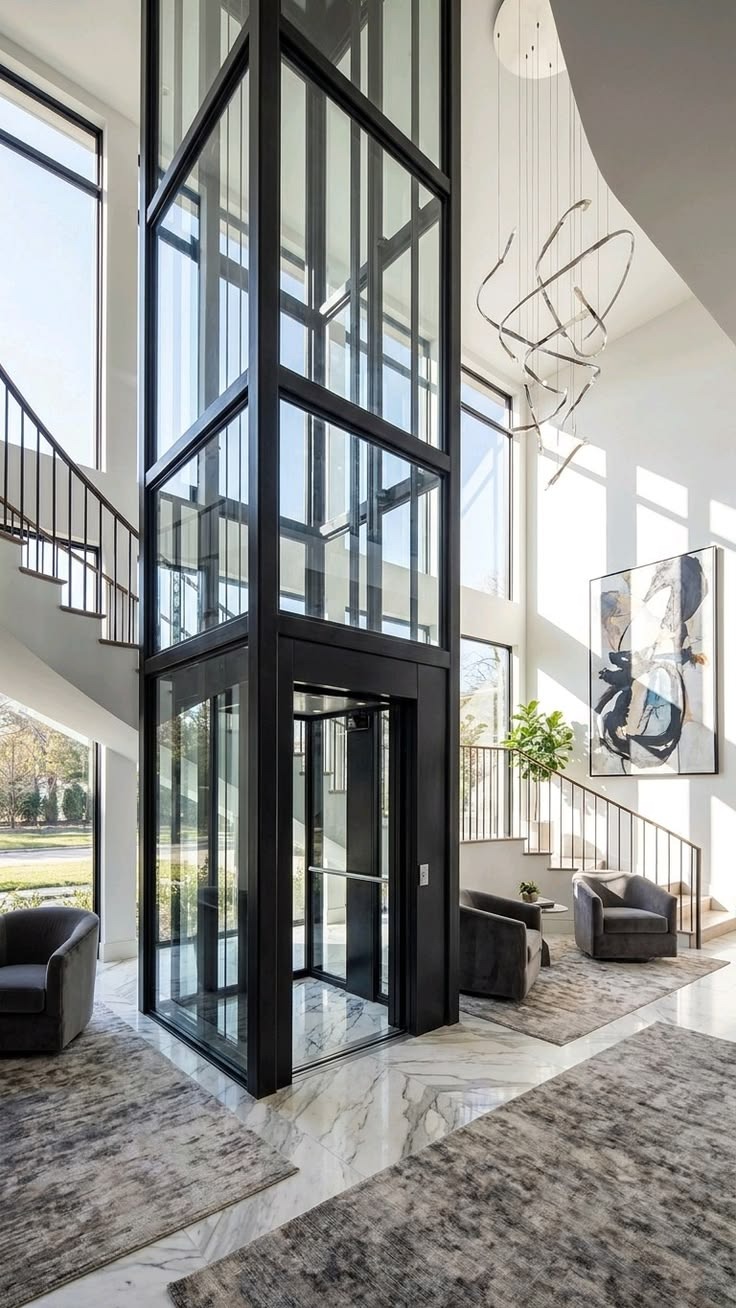
Glass elevators are popular in contemporary residential architecture. Their transparent design can complement modern interiors while providing vertical transportation between floors.
Compact Home Elevator
Compact residential lifts are designed for homes where available space is limited. The final design must be selected according to the building's measurements and safety requirements.
Important Factors to Consider Before Home Lift Installation
Before installing a home elevator, homeowners should evaluate several important factors.
1. Available Space: Check the proposed lift location, shaft dimensions, pit requirements, and overhead clearance.
2. Number of Floors: The number of stops and total travel height influence the selection of the elevator system.
3. Load Capacity: Select a suitable capacity based on the number of users and intended purpose.
4. Safety Features: Ask about door interlocks, emergency communication, overload protection, and an appropriate emergency rescue system.
5. Power Requirements: Understand the electrical supply and backup arrangements needed for the selected lift.
6. Maintenance Support: Regular servicing and professional inspections help maintain reliable elevator operation.
7. Installation Standards: Check applicable BIS standards, local lift regulations, and building requirements before installation.
Why Professional Home Lift Installation Matters
A home elevator is an important mechanical system that requires proper planning, installation, testing, and maintenance.
Working with an experienced elevator company helps homeowners understand technical requirements before beginning installation. A professional assessment can also identify potential structural limitations and help avoid unnecessary changes during construction or renovation.
At Himalaya Elevator, the focus is on understanding the property's requirements and helping customers explore appropriate elevator solutions for their residential spaces.
Is a Home Lift Suitable for an Existing House?
Yes, a home lift may be possible in an existing property, depending on the building's structure and available installation space.
Some homeowners consider installing an elevator during renovation, while others plan it as part of a new house construction project.
Before proceeding, an elevator professional should evaluate:
Available floor space and possible lift location.
Structural strength and shaft feasibility.
Floor-to-floor height.
Pit and overhead requirements.
Electrical connections and safety provisions.
Not every existing house can accommodate every type of lift, so a site inspection is essential.
Home Lift Installation in India – Choosing the Right Elevator Partner
The demand for residential elevators is growing as more homeowners look for convenient and accessible living spaces. From independent houses and duplex homes to luxury villas, a suitable elevator can make everyday movement between floors easier.
When choosing a home lift installation company in India, consider its technical experience, product options, installation process, safety provisions, warranty terms, and after-sales service.
Himalaya Elevator offers elevator solutions designed around different building requirements, including home lifts, passenger elevators, hydraulic lifts, glass elevators, and other customised elevator applications.
Frequently Asked Questions About Home Lift Installation
1. Can I install a home lift in my existing house?
Yes, installation may be possible in an existing house, subject to structural feasibility, available space, floor height, and the selected elevator system.
2. Which type of lift is suitable for a residential property?
Hydraulic, MRL, and compact residential elevators are among the options. The right choice depends on the building layout, number of floors, usage, and technical requirements.
3. Does a home lift require a separate machine room?
Not necessarily. Some MRL and other residential elevator systems are designed without a separate conventional machine room. Requirements vary by model.
4. Is a home elevator useful for senior citizens?
Yes. A suitably designed home lift can make access to different floors more convenient for elderly residents and people with mobility limitations.
5. How much space is required for home lift installation?
There is no single standard space requirement for every home elevator. It depends on cabin size, lift technology, capacity, shaft dimensions, and building design.
6. What safety features should I check before installing a home lift?
Ask about door safety interlocks, emergency rescue arrangements, overload protection, communication systems, and applicable safety compliance.
7. Does a home elevator require regular maintenance?
Yes. Periodic servicing and inspections are important for checking the lift's mechanical, electrical, and safety systems.
Contact Himalaya Elevator for Home Lift Installation in India
A well-planned home elevator can make a multi-storey home more comfortable, accessible, and convenient. Whether you are constructing a new villa or upgrading an existing house, selecting the right elevator system starts with understanding your property's requirements.
Himalaya Elevator offers residential and commercial elevator solutions with a focus on suitable designs, professional installation, and maintenance support.
Explore the right home lift solution for your property.
Website: https://www.himalayaelevators.com/
Location: Zirakpur, Punjab, India.
Make every floor of your home easier to access with a thoughtfully planned elevator solution.
Keywords