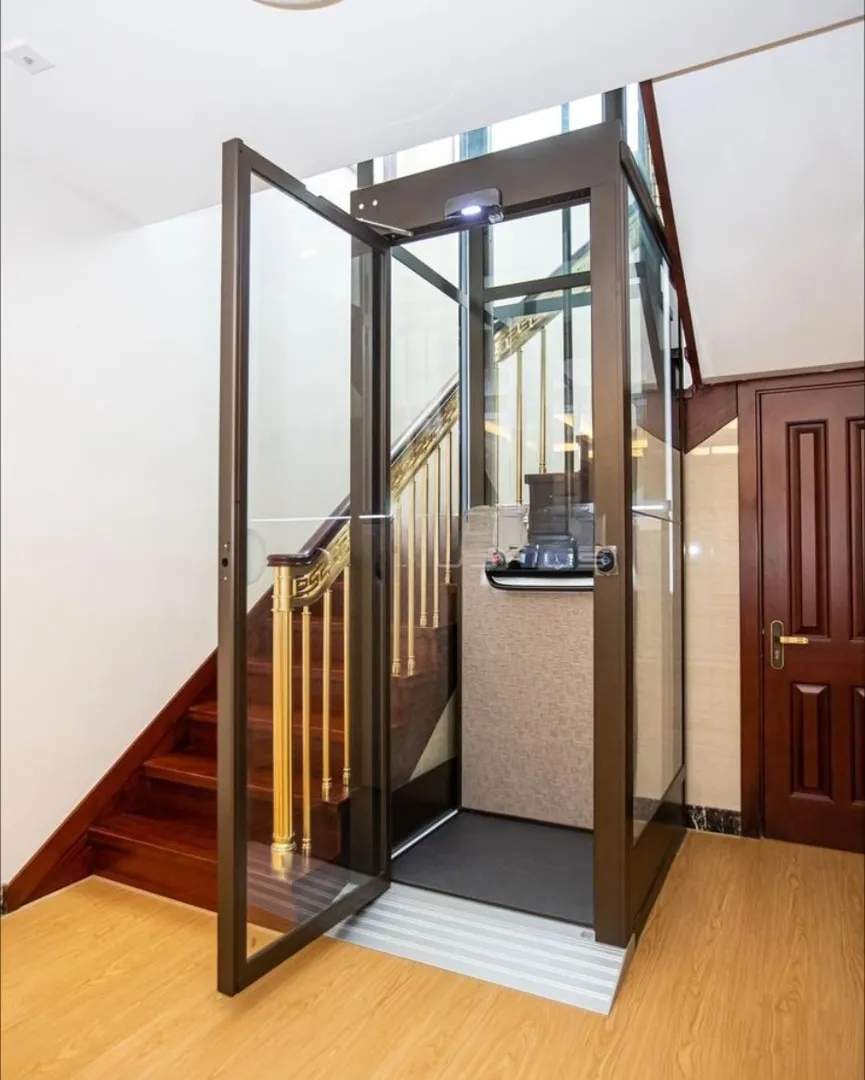
Complete Guide to Buying a Home Elevator in Punjab
A home elevator is no longer limited to luxury villas or large properties. Today, homeowners across Punjab are choosing residential elevators and home lifts to make multi-storey homes more comfortable, accessible and convenient.
Whether you are building a new house, planning a modern villa, or upgrading an existing property, choosing the right home elevator requires more than simply comparing prices. You need to consider the available space, number of floors, lift capacity, design, safety features, installation requirements and long-term maintenance.
Himalaya Elevator provides customized residential elevator solutions for homes, villas, duplexes and multi-storey properties across Punjab, including Mohali, Chandigarh, Zirakpur, Kharar, Panchkula and other nearby areas.
What Is a Home Elevator?
A home elevator, also known as a residential lift or home lift, is designed specifically for private residential properties. Compared with conventional commercial elevators, residential lifts can be planned according to the available space, building structure, number of floors and interior design of the home.
A home elevator can be suitable for:
Independent houses
Duplex homes
Luxury villas
Multi-storey residences
Farmhouses
Modern bungalows
Premium residential properties
Existing homes requiring improved accessibility
The right elevator depends on the property's structure, available installation area, expected usage and technical requirements.
Why Should You Buy a Home Elevator in Punjab?
For families living in multi-floor homes, stairs can become inconvenient over time. A residential elevator provides an easier way to move between floors while adding functionality to the property.
1. Comfortable Movement Between Floors
A home lift makes everyday movement between floors easier for family members, guests and elderly people.
2. Better Accessibility
A residential elevator can be particularly useful for senior citizens and people who may find climbing stairs difficult.
3. Convenient for Daily Household Activities
Carrying groceries, luggage, furniture or other household items between floors can be tiring. A home elevator provides a practical alternative.
4. Ideal for Modern Villas and Duplex Homes
A stylish residential lift can become an attractive part of a modern home's architecture while providing everyday convenience.
5. Long-Term Home Investment
If you are planning to live in a multi-storey home for many years, an elevator can improve the property's functionality and accessibility.
What Should You Consider Before Buying a Home Elevator?
Buying a residential elevator is a long-term decision. Before selecting a model, consider the following factors.
1. Number of Floors
The number of floors and stops directly affects the elevator configuration. A lift for a two-floor house may have different requirements from one serving three, four or more floors.
2. Available Space
Space is one of the most important factors when selecting a home lift. The available area, shaft dimensions, floor height and building structure should be assessed before installation.
For an existing property, a professional site inspection is particularly important because civil or structural modifications may be required depending on the selected elevator.
3. Lift Capacity
The required capacity depends on the number of users, cabin size, intended usage and available space. Your elevator provider should recommend a suitable capacity based on the actual requirements of your home.
4. Type of Home Elevator
Different elevator technologies are available for residential applications. Depending on the property, homeowners may consider options such as:
Residential home lifts
Glass home elevators
Compact home lifts
Customized residential elevators
MRL elevator solutions
Other technically suitable lift configurations
There is no single 'best' home elevator for every house. The right choice depends on the building and the homeowner's requirements.
5. Cabin Design
A home elevator should complement the interior of your property. Depending on the model, homeowners can consider different cabin materials, lighting, flooring, doors, control panels and finishes.
For luxury homes and villas, customized cabin designs can provide a premium appearance.
6. Safety Features
Safety should always be more important than appearance or the lowest price.
Depending on the elevator model and configuration, safety provisions may include:
Door safety systems
Emergency alarm
Emergency lighting
Overload protection
Safety sensors
Emergency lowering or rescue arrangements
Reliable braking and control systems
Appropriate electrical protection
The exact safety features depend on the selected elevator system and applicable technical requirements.
How Much Does a Home Elevator Cost in Punjab?
One of the most common questions homeowners ask is: 'What is the home elevator price in Punjab?'
There is no single price for every residential lift because the final cost depends on the property's individual requirements.
Factors that can influence the price include:
Type of elevator
Number of floors
Number of stops
Load capacity
Cabin dimensions
Door configuration
Shaft availability
Installation conditions
Civil work
Elevator technology
Cabin design and finishes
Safety and control systems
Site conditions
Customization requirements
Therefore, getting a site assessment and customized quotation is more reliable than choosing a home lift based only on an advertised starting price. Himalaya Elevator also notes that home-lift pricing varies according to specifications, installation conditions and customization.
Can a Home Elevator Be Installed in an Existing House?
Yes, a home elevator may be possible in an existing house, subject to the property's structural and technical feasibility.
For an existing building, the elevator team generally needs to evaluate:
Available installation space
Floor-to-floor height
Structural conditions
Shaft possibilities
Electrical requirements
Entry and exit locations
Required civil modifications
Number of floors
Desired cabin size
A professional site inspection should be completed before finalizing the elevator design or quotation.
Home Elevator for New Construction vs Existing House
Home Elevator for a New House
Installing an elevator during new construction can make planning easier because the shaft and structural requirements can be incorporated into the building design from the beginning.
Home Elevator for an Existing House
Retrofitting requires more detailed planning. The elevator company must determine where the lift can be installed and whether structural or civil modifications are required.
For both situations, proper planning can help avoid unnecessary changes and additional costs later.
Popular Home Elevator Options for Modern Homes
Glass Home Elevator
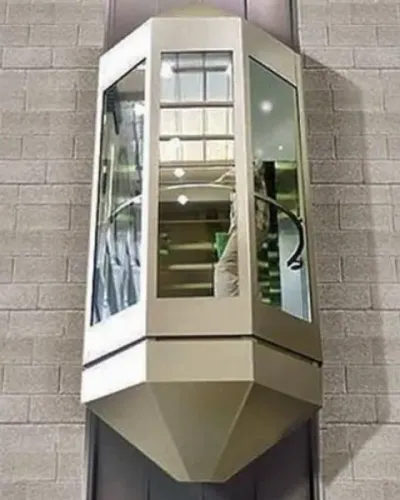
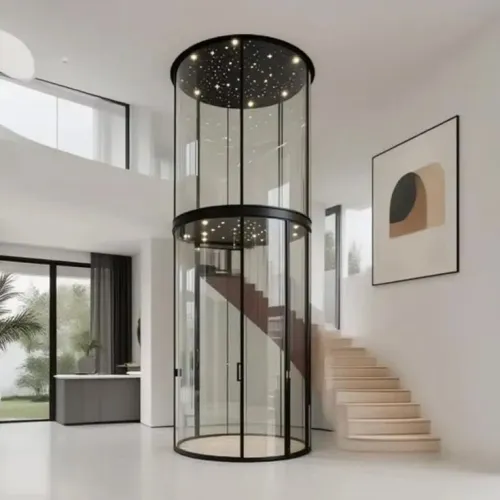
A glass home elevator can create a modern architectural look and can be an attractive choice for contemporary villas and premium residences.
Compact Home Lift
A compact residential elevator can be considered where available space is limited, subject to technical feasibility.
Luxury Home Elevator
Luxury residential elevators can be customized with premium cabin finishes, lighting, doors and interiors to complement the architecture of high-end homes.
Residential Passenger Lift
For larger houses, villas and multi-storey properties, a residential passenger elevator can be designed according to the expected passenger load, number of floors and available space.
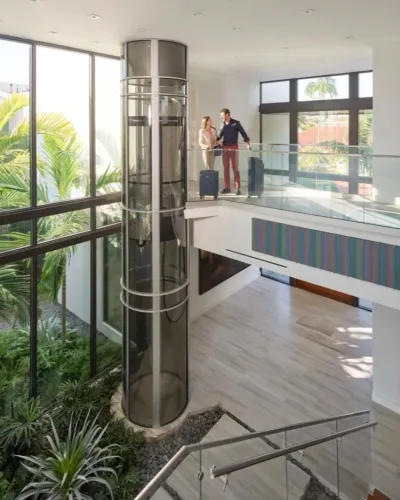
Himalaya Elevator lists home elevators, glass home lifts and residential capsule-style products among its elevator categories.
Why Professional Installation Matters
Even a high-quality elevator needs proper installation to perform reliably.
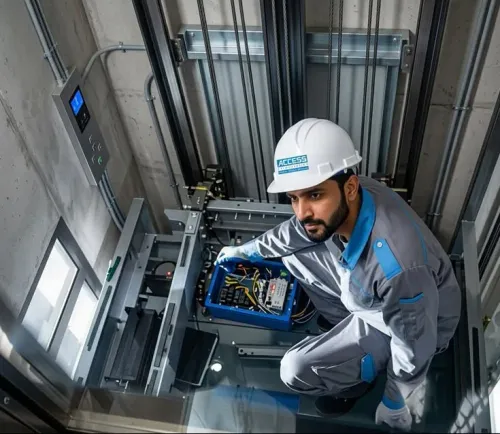
A professional installation process should consider the building structure, shaft dimensions, electrical requirements, travel height, landing arrangements and safety systems.
Himalaya Elevator provides elevator manufacturing, installation, maintenance, repair and modernization services, with customized solutions for residential and other building applications.
Don't Ignore Home Elevator Maintenance
A residential elevator is a long-term mechanical and electrical system, so regular maintenance is important.
Professional maintenance can help identify potential issues with doors, electrical components, controls and other elevator parts before they become larger problems.
When buying a home elevator, ask the supplier about:
Maintenance plans
AMC options
Emergency support
Spare-parts availability
Warranty terms
Service response
Repair and modernization support
Himalaya Elevator offers maintenance, repair, AMC and modernization services as part of its elevator solutions.
How to Choose the Right Home Elevator Company in Punjab
Before finalizing an elevator company, don't compare suppliers on price alone.
Look for:
Experience: Choose a company with relevant residential elevator experience.
Product Quality: Ask about major components, cabin construction, doors, controls and drive systems.
Safety: Confirm that the proposed system includes appropriate safety provisions.
Installation: Professional installation is essential for reliable operation.
Customization: Your elevator should suit your home's architecture and available space.
After-Sales Service: Check maintenance, repair and spare-parts support.
Transparent Quotation: Make sure the quotation clearly explains what is included and what may involve additional charges.
Why Choose Himalaya Elevator for Your Home Lift?
Himalaya Elevator provides elevator solutions from its Zirakpur location for residential and commercial requirements across the Punjab and Tricity region.
The company provides home elevators, passenger lifts, hospital lifts, goods lifts, capsule elevators, hydraulic lifts, MRL elevators and customized elevator solutions. Its services include manufacturing, installation, maintenance, repair and modernization.
For homeowners, the focus should be on selecting a lift that offers the right balance of safety, comfort, design, performance, space utilization and long-term service support.
Home Elevator Installation Across Punjab
Himalaya Elevator serves residential elevator requirements in areas including:
Mohali
Chandigarh
Zirakpur
Kharar
Panchkula
Patiala
Ludhiana
Amritsar
Jalandhar
Other areas across Punjab
Availability, installation feasibility and service coverage can depend on the individual project and site requirements.
Frequently Asked Questions About Home Elevators
What is the best home elevator for a house?
There is no single best elevator for every home. The right option depends on the number of floors, available space, capacity, design preferences, budget and technical requirements.
How much does a home lift cost in Punjab?
The price varies according to lift type, capacity, number of floors, cabin size, technology, customization, installation requirements and civil work. A site assessment provides a more accurate quotation.
Can I install a lift in my existing house?
In many cases, yes. However, the feasibility depends on the building structure, available space and installation requirements. A professional site inspection is recommended.
Is a home elevator safe?
A properly designed, professionally installed and regularly maintained residential elevator can incorporate appropriate safety systems. Always discuss the exact safety provisions of the proposed model with your elevator provider.
Does a home elevator require maintenance?
Yes. Regular professional maintenance is important for reliable operation, safety and long-term performance.
Is a home lift suitable for a duplex or villa?
Yes. Residential elevators are commonly considered for duplex houses, villas, farmhouses and other multi-storey homes, subject to technical feasibility.
Final Checklist Before Buying a Home Elevator
Before placing your order, make sure you have discussed:
✓ Number of floors and stops
✓ Required lift capacity
✓ Available space and shaft requirements
✓ Elevator technology
✓ Cabin size and design
✓ Door configuration
✓ Safety features
✓ Electrical requirements
✓ Installation and civil work
✓ Warranty
✓ AMC and maintenance
✓ Emergency support
✓ Spare-parts availability
✓ Complete project cost
Get the Right Home Elevator for Your Punjab Home
A home elevator is more than a luxury feature. For a multi-storey home, it can provide greater convenience, accessibility, comfort and long-term functionality.
Whether you are constructing a new villa or planning a lift for an existing house, take time to understand the technical requirements before making a decision.
If you are looking for a home elevator in Punjab, residential lift in Punjab, home lift in Mohali, home elevator in Zirakpur, residential elevator in Chandigarh, or customized home lift solutions, Himalaya Elevator can assess your property and help you select a suitable solution based on your space, usage and requirements.
Himalaya Elevator – Residential & Home Elevator Solutions in Punjab
Address: Ground Floor, Palam Enclave, SCO-58, Chandigarh Road, Behind Ranjan Plaza, Zirakpur, Punjab – 140603
Email: himalayaelevator@gmail.com
A home elevator is no longer limited to luxury villas or large properties. Today, homeowners across Punjab are choosing residential elevators and home lifts to make multi-storey homes more comfortable, accessible and convenient.
Whether you are building a new house, planning a modern villa, or upgrading an existing property, choosing the right home elevator requires more than simply comparing prices. You need to consider the available space, number of floors, lift capacity, design, safety features, installation requirements and long-term maintenance.
Himalaya Elevator provides customized residential elevator solutions for homes, villas, duplexes and multi-storey properties across Punjab, including Mohali, Chandigarh, Zirakpur, Kharar, Panchkula and other nearby areas.
What Is a Home Elevator?
A home elevator, also known as a residential lift or home lift, is designed specifically for private residential properties. Compared with conventional commercial elevators, residential lifts can be planned according to the available space, building structure, number of floors and interior design of the home.
A home elevator can be suitable for:
Independent houses
Duplex homes
Luxury villas
Multi-storey residences
Farmhouses
Modern bungalows
Premium residential properties
Existing homes requiring improved accessibility
The right elevator depends on the property's structure, available installation area, expected usage and technical requirements.
Why Should You Buy a Home Elevator in Punjab?
For families living in multi-floor homes, stairs can become inconvenient over time. A residential elevator provides an easier way to move between floors while adding functionality to the property.
1. Comfortable Movement Between Floors
A home lift makes everyday movement between floors easier for family members, guests and elderly people.
2. Better Accessibility
A residential elevator can be particularly useful for senior citizens and people who may find climbing stairs difficult.
3. Convenient for Daily Household Activities
Carrying groceries, luggage, furniture or other household items between floors can be tiring. A home elevator provides a practical alternative.
4. Ideal for Modern Villas and Duplex Homes
A stylish residential lift can become an attractive part of a modern home's architecture while providing everyday convenience.
5. Long-Term Home Investment
If you are planning to live in a multi-storey home for many years, an elevator can improve the property's functionality and accessibility.
What Should You Consider Before Buying a Home Elevator?
Buying a residential elevator is a long-term decision. Before selecting a model, consider the following factors.
1. Number of Floors
The number of floors and stops directly affects the elevator configuration. A lift for a two-floor house may have different requirements from one serving three, four or more floors.
2. Available Space
Space is one of the most important factors when selecting a home lift. The available area, shaft dimensions, floor height and building structure should be assessed before installation.
For an existing property, a professional site inspection is particularly important because civil or structural modifications may be required depending on the selected elevator.
3. Lift Capacity
The required capacity depends on the number of users, cabin size, intended usage and available space. Your elevator provider should recommend a suitable capacity based on the actual requirements of your home.
4. Type of Home Elevator
Different elevator technologies are available for residential applications. Depending on the property, homeowners may consider options such as:
Residential home lifts
Glass home elevators
Compact home lifts
Customized residential elevators
MRL elevator solutions
Other technically suitable lift configurations
There is no single 'best' home elevator for every house. The right choice depends on the building and the homeowner's requirements.
5. Cabin Design
A home elevator should complement the interior of your property. Depending on the model, homeowners can consider different cabin materials, lighting, flooring, doors, control panels and finishes.
For luxury homes and villas, customized cabin designs can provide a premium appearance.
6. Safety Features
Safety should always be more important than appearance or the lowest price.
Depending on the elevator model and configuration, safety provisions may include:
Door safety systems
Emergency alarm
Emergency lighting
Overload protection
Safety sensors
Emergency lowering or rescue arrangements
Reliable braking and control systems
Appropriate electrical protection
The exact safety features depend on the selected elevator system and applicable technical requirements.
How Much Does a Home Elevator Cost in Punjab?
One of the most common questions homeowners ask is: 'What is the home elevator price in Punjab?'
There is no single price for every residential lift because the final cost depends on the property's individual requirements.
Factors that can influence the price include:
Type of elevator
Number of floors
Number of stops
Load capacity
Cabin dimensions
Door configuration
Shaft availability
Installation conditions
Civil work
Elevator technology
Cabin design and finishes
Safety and control systems
Site conditions
Customization requirements
Therefore, getting a site assessment and customized quotation is more reliable than choosing a home lift based only on an advertised starting price. Himalaya Elevator also notes that home-lift pricing varies according to specifications, installation conditions and customization.
Can a Home Elevator Be Installed in an Existing House?
Yes, a home elevator may be possible in an existing house, subject to the property's structural and technical feasibility.
For an existing building, the elevator team generally needs to evaluate:
Available installation space
Floor-to-floor height
Structural conditions
Shaft possibilities
Electrical requirements
Entry and exit locations
Required civil modifications
Number of floors
Desired cabin size
A professional site inspection should be completed before finalizing the elevator design or quotation.
Home Elevator for New Construction vs Existing House
Home Elevator for a New House
Installing an elevator during new construction can make planning easier because the shaft and structural requirements can be incorporated into the building design from the beginning.
Home Elevator for an Existing House
Retrofitting requires more detailed planning. The elevator company must determine where the lift can be installed and whether structural or civil modifications are required.
For both situations, proper planning can help avoid unnecessary changes and additional costs later.
Popular Home Elevator Options for Modern Homes
Glass Home Elevator
A glass home elevator can create a modern architectural look and can be an attractive choice for contemporary villas and premium residences.
Compact Home Lift
A compact residential elevator can be considered where available space is limited, subject to technical feasibility.
Luxury Home Elevator
Luxury residential elevators can be customized with premium cabin finishes, lighting, doors and interiors to complement the architecture of high-end homes.
Residential Passenger Lift
For larger houses, villas and multi-storey properties, a residential passenger elevator can be designed according to the expected passenger load, number of floors and available space.
Himalaya Elevator lists home elevators, glass home lifts and residential capsule-style products among its elevator categories.
Why Professional Installation Matters
Even a high-quality elevator needs proper installation to perform reliably.
A professional installation process should consider the building structure, shaft dimensions, electrical requirements, travel height, landing arrangements and safety systems.
Himalaya Elevator provides elevator manufacturing, installation, maintenance, repair and modernization services, with customized solutions for residential and other building applications.
Don't Ignore Home Elevator Maintenance
A residential elevator is a long-term mechanical and electrical system, so regular maintenance is important.
Professional maintenance can help identify potential issues with doors, electrical components, controls and other elevator parts before they become larger problems.
When buying a home elevator, ask the supplier about:
Maintenance plans
AMC options
Emergency support
Spare-parts availability
Warranty terms
Service response
Repair and modernization support
Himalaya Elevator offers maintenance, repair, AMC and modernization services as part of its elevator solutions.
How to Choose the Right Home Elevator Company in Punjab
Before finalizing an elevator company, don't compare suppliers on price alone.
Look for:
Experience: Choose a company with relevant residential elevator experience.
Product Quality: Ask about major components, cabin construction, doors, controls and drive systems.
Safety: Confirm that the proposed system includes appropriate safety provisions.
Installation: Professional installation is essential for reliable operation.
Customization: Your elevator should suit your home's architecture and available space.
After-Sales Service: Check maintenance, repair and spare-parts support.
Transparent Quotation: Make sure the quotation clearly explains what is included and what may involve additional charges.
Why Choose Himalaya Elevator for Your Home Lift?
Himalaya Elevator provides elevator solutions from its Zirakpur location for residential and commercial requirements across the Punjab and Tricity region.
The company provides home elevators, passenger lifts, hospital lifts, goods lifts, capsule elevators, hydraulic lifts, MRL elevators and customized elevator solutions. Its services include manufacturing, installation, maintenance, repair and modernization.
For homeowners, the focus should be on selecting a lift that offers the right balance of safety, comfort, design, performance, space utilization and long-term service support.
Home Elevator Installation Across Punjab
Himalaya Elevator serves residential elevator requirements in areas including:
Mohali
Chandigarh
Zirakpur
Kharar
Panchkula
Patiala
Ludhiana
Amritsar
Jalandhar
Other areas across Punjab
Availability, installation feasibility and service coverage can depend on the individual project and site requirements.
Frequently Asked Questions About Home Elevators
What is the best home elevator for a house?
There is no single best elevator for every home. The right option depends on the number of floors, available space, capacity, design preferences, budget and technical requirements.
How much does a home lift cost in Punjab?
The price varies according to lift type, capacity, number of floors, cabin size, technology, customization, installation requirements and civil work. A site assessment provides a more accurate quotation.
Can I install a lift in my existing house?
In many cases, yes. However, the feasibility depends on the building structure, available space and installation requirements. A professional site inspection is recommended.
Is a home elevator safe?
A properly designed, professionally installed and regularly maintained residential elevator can incorporate appropriate safety systems. Always discuss the exact safety provisions of the proposed model with your elevator provider.
Does a home elevator require maintenance?
Yes. Regular professional maintenance is important for reliable operation, safety and long-term performance.
Is a home lift suitable for a duplex or villa?
Yes. Residential elevators are commonly considered for duplex houses, villas, farmhouses and other multi-storey homes, subject to technical feasibility.
Final Checklist Before Buying a Home Elevator
Before placing your order, make sure you have discussed:
✓ Number of floors and stops
✓ Required lift capacity
✓ Available space and shaft requirements
✓ Elevator technology
✓ Cabin size and design
✓ Door configuration
✓ Safety features
✓ Electrical requirements
✓ Installation and civil work
✓ Warranty
✓ AMC and maintenance
✓ Emergency support
✓ Spare-parts availability
✓ Complete project cost
Get the Right Home Elevator for Your Punjab Home
A home elevator is more than a luxury feature. For a multi-storey home, it can provide greater convenience, accessibility, comfort and long-term functionality.
Whether you are constructing a new villa or planning a lift for an existing house, take time to understand the technical requirements before making a decision.
If you are looking for a home elevator in Punjab, residential lift in Punjab, home lift in Mohali, home elevator in Zirakpur, residential elevator in Chandigarh, or customized home lift solutions, Himalaya Elevator can assess your property and help you select a suitable solution based on your space, usage and requirements.
Himalaya Elevator – Residential & Home Elevator Solutions in Punjab
Address: Ground Floor, Palam Enclave, SCO-58, Chandigarh Road, Behind Ranjan Plaza, Zirakpur, Punjab – 140603
Email: himalayaelevator@gmail.com
Keywords